





Free Resources
Free Resources for Teaching and Learning with Models
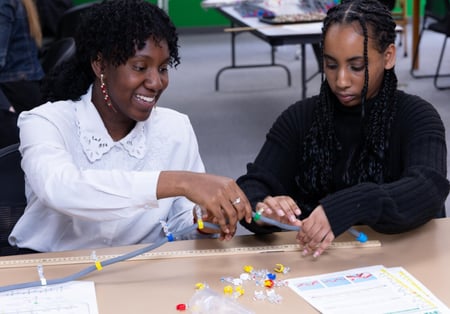
3D Molecular Designs extends learning beyond physical products with webinars, videos, downloadable materials, augmented reality, articles, and interactive activities that deepen understanding of science. Whether you’re new to model-based teaching or already using models in your classroom, these resources help make science more visible, interactive, and meaningful.
Find the Right Resource for Your Classroom
Browse free resources created to inform, inspire, and support your students’ learning. From quick downloads to interactive digital experiences, each resource is designed to help science learning feel clear, engaging, and approachable.
Free Downloads & Slide Decks
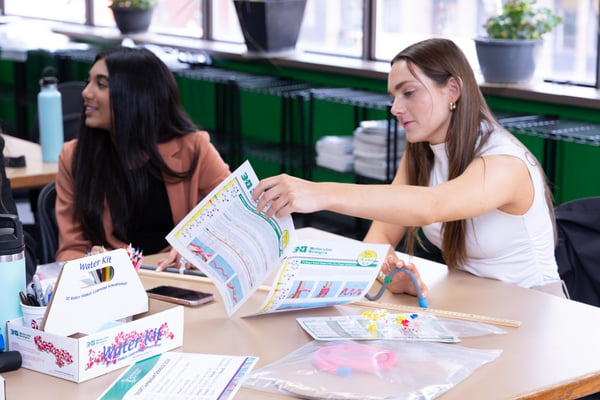
Access slide decks, teacher guides, handouts, printable student handouts, 2D models, reference charts, and teaching notes that are ready-to-use. These resources are designed to make preparation easier by giving educators clear materials and activity support in formats they can use right away.
Explore Downloads & Slide Decks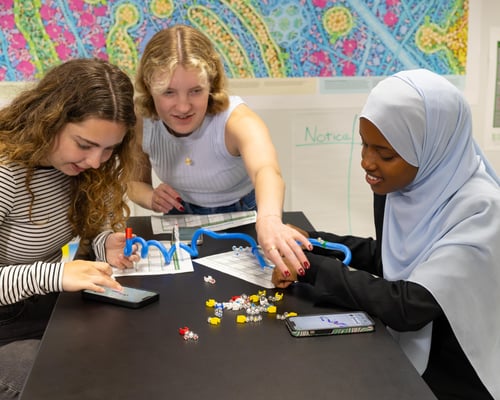
Augmented Reality Experiences
Explore augmented reality activities that extend learning beyond the physical model by showing motion, scale, structure, and 3D relationships in new ways. These experiences are designed to support small-group and whole-class learning while helping students build and discuss shared scientific models.
Explore AR Activities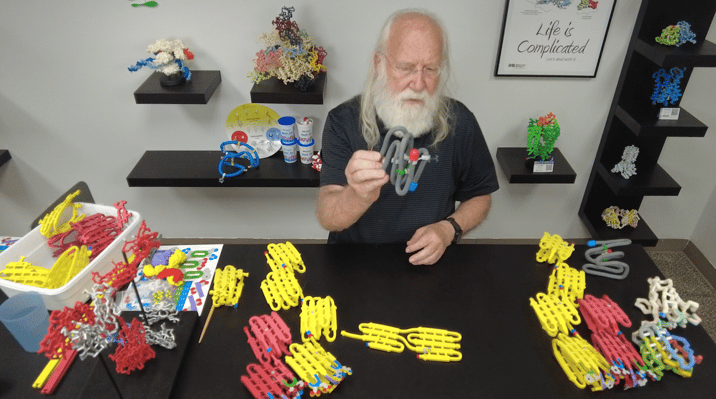
Webinars & Videos
Find webinars and short videos that offer classroom ideas, expert guidance, and deeper exploration of science concepts connected to your kits and lessons. From quick visual explanations to longer professional learning sessions, these resources help educators and students keep exploring.
Watch Our Videos%20(1).jpg?width=516&height=400&name=0D6A8349%20(2)%20(1).jpg)
Interactive Web Activities
Use interactive digital tools that invite students to explore, test ideas, and engage more actively with molecular concepts. Resources such as the Protein Exploratorium, Interactibles, Molecule Maker, and JUDE support pre-lab, in-class, and post-lab learning through individual reflection or group discussion.
Explore Web Activities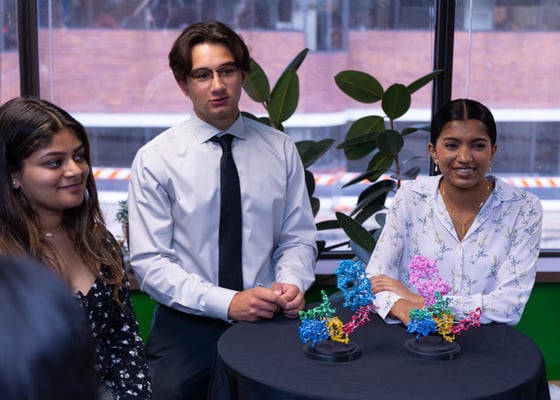
Blog Articles
Read articles that share classroom ideas, science insights, teaching perspectives, and updates from the 3D Molecular Designs community. These posts are designed to inspire educators, support deeper content knowledge, and highlight practical ways to use models in science learning.
Read Blog Articles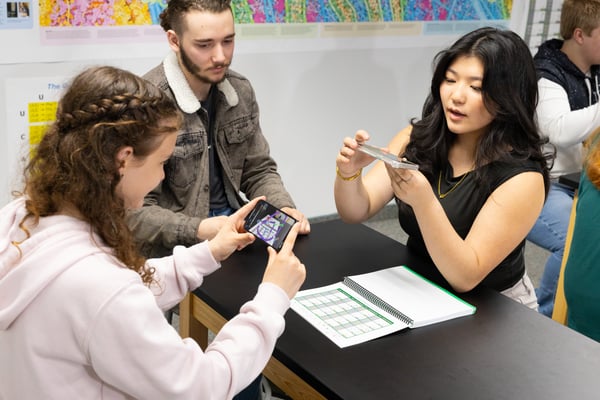
Digital Modeling Hub
Explore a broader collection of free digital tools and extensions in one place. The Digital Modeling Hub includes activities, AR experiences, videos, and Protein Exploratorium resources that help educators connect model-based learning with flexible digital exploration.
Explore the Digital Modeling HubFind the Right Resource for Your Classroom
Browse free resources created to inform, inspire, and support your students’ learning. From quick downloads to interactive digital experiences, each resource is designed to help science learning feel clear, engaging, and approachable.
Free Downloads & Slide Decks
Access slide decks, teacher guides, handouts, printable student handouts, 2D models, reference charts, and teaching notes that are ready-to-use. These resources are designed to make preparation easier by giving educators clear materials and activity support in formats they can use right away.
Explore Downloads & Slide Decks
Augmented Reality Experiences
Explore augmented reality activities that extend learning beyond the physical model by showing motion, scale, structure, and 3D relationships in new ways. These experiences are designed to support small-group and whole-class learning while helping students build and discuss shared scientific models.
Explore AR Activities
Webinars & Videos
Find webinars and short videos that offer classroom ideas, expert guidance, and deeper exploration of science concepts connected to your kits and lessons. From quick visual explanations to longer professional learning sessions, these resources help educators and students keep exploring.
Watch Our Videos
Interactive Web Activities
Use interactive digital tools that invite students to explore, test ideas, and engage more actively with molecular concepts. Resources such as the Protein Exploratorium, Interactibles, Molecule Maker, and JUDE support pre-lab, in-class, and post-lab learning through individual reflection or group discussion.
Explore Web Activities
Blog Articles
Read articles that share classroom ideas, science insights, teaching perspectives, and updates from the 3D Molecular Designs community. These posts are designed to inspire educators, support deeper content knowledge, and highlight practical ways to use models in science learning.
Read Blog Articles
Digital Modeling Hub
Explore a broader collection of free digital tools and extensions in one place. The Digital Modeling Hub includes activities, AR experiences, videos, and Protein Exploratorium resources that help educators connect model-based learning with flexible digital exploration.
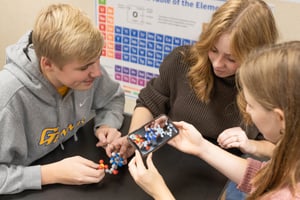
Explore the Digital Modeling Hub"My students love using 3D Molecular Designs' physical models with AR overlay. It's a really cool way for them to learn and is much better than physical or digital alone."
- A. Belcher, AP Biology Teacher
One Kit, Multiple Ways to Explore
Many of our kits connect to free resources that extend learning in multiple ways. Follow the Amino Acid Starter Kit© as one example of how printable materials, interactive tools, augmented reality, and digital exploration can work together to support teaching and student learning. Start anywhere or use the following sequence as a pathway for your protein folding unit.
Student Handouts and Teacher Guides
Start with ready-to-use classroom supports that help structure instruction, guide investigation, and reinforce key ideas as students explore amino acid side chains and protein folding.
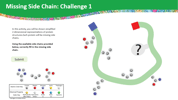
Side Chain & Protein
Property Interactable
Give students another way to examine how side chain properties connect to protein behavior through an interactive digital experience aligned to the same core concepts introduced in the kit.
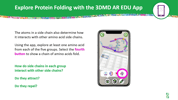
Side Chain Explorer AR
Extend learning into augmented reality so students can explore amino acid side chains in a more visual, spatial way that supports observation, comparison, and discussion.
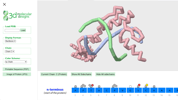
Protein Exploratorium
Help students move from simplified models to deeper protein exploration with a digital tool that supports visualization and continued investigation of protein structure.

Videos that Extend Learning
Watch short videos designed to guide learners through key concepts, model demonstrations, and thought-provoking topics that deepen understanding and spark new questions.
See how kits and free resources work together to support classroom teaching, student exploration, and deeper understanding.
How to Use These Resources
Resources support different moments in your teaching cycle. Whether you’re planning ahead, guiding a lesson, or extending learning, you can mix and match digital and physical tools in ways that work for you.
Before Class:
Pre-lab Preparation
Use slide decks, teacher guides, and blog articles to get comfortable with the science, plan the storyline of your lesson, and decide which models or digital tools you want to use. Many resources include suggested questions, pacing ideas, and notes that help you anticipate student thinking.
For You:
Professional Learning and Planning
Webinars, videos, and blog articles give you space to go deeper into both the science content and the pedagogy of teaching with models. You’ll gain confidence and expertise to add value to your school’s department planning, or collaborative work as an instructional coach, or on a curriculum team.
During Class:
Whole-Class, Small Group, & Partner Modeling
Many activities are designed for students to work in pairs or small groups, using prompts, icons, and guiding questions to collaborate on a shared model. Digital tools and AR experiences help groups test ideas, visualize motion or scale, and refine their models together.
After Class:
Independent Practice and Reflection
Short videos, Interactibles, and selected downloads can be used for review or independent exploration. Students can revisit models and visualizations at their own pace, helping them consolidate key ideas after the lesson.
Browse Our Free Resources Now
Browse free resources designed to support classroom teaching, student learning, and deeper scientific understanding.