




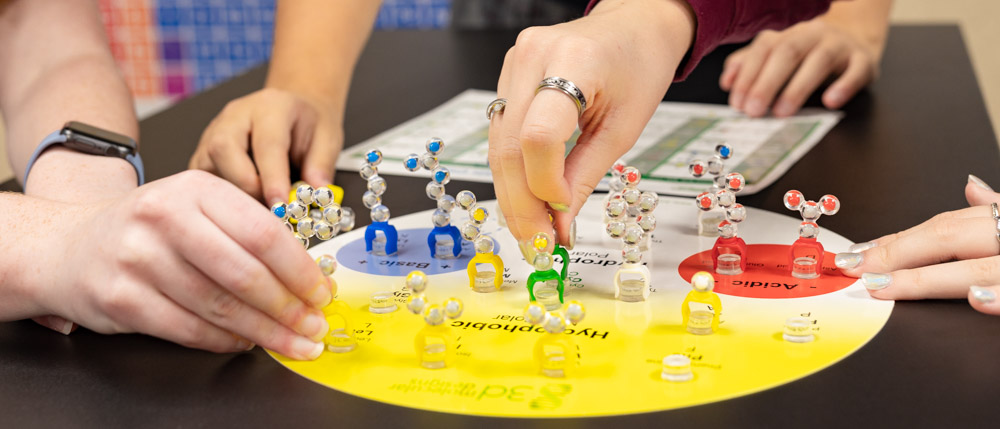
As humans, we all have a deep need to categorize things. This is a convenient way to organize our world so that we can make sense of it. In the case of amino acids, it is useful to put each amino acid into a specific category depending on its chemical properties. The boxes into which we can place the 20 amino acids include:
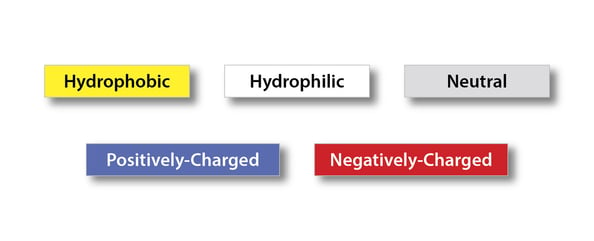
In some cases, it is not a binary choice as we categorize amino acids.
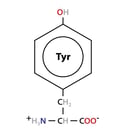
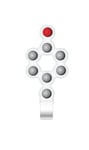 Consider the amino acid Tyrosine. The Tyrosine sidechain is composed of a hydrophobic phenyl ring and a hydrophilic hydroxyl group. Therefore, it is both hydrophobic and hydrophilic at the same time. We describe this dual property as being amphoteric.
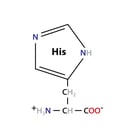
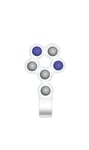 Histidine is another problematic amino acid. Is its sidechain neutral or positively charged? The answer is both… depending on the pH of its environment. At pH 7, histidine is neutral. But at pH 6, the histidine sidechain becomes positively charged. Histidine is unique among the 20 amino acids in that it is the only amino acid whose charge changes at a pH close to the normal pH of a cell (7.2).
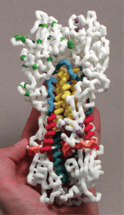 One example of how nature has taken advantage of this unique property of histidine is in the pH-induced conformational change in the structure of the influenza virus HA protein, leading to the fusion of the viral and cellular membranes.
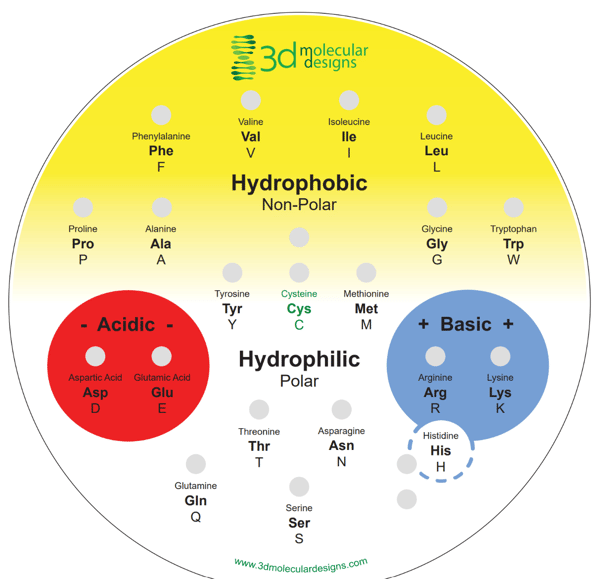
Note that on our Amino Acid Starter Kit© amino acid circle, there is not a sharply defined boundary separating the yellow hydrophobic amino acids from the white hydrophilic amino acids. Tyrosine is positioned on this gradient.
Similarly, note that Histidine is equipped with a white-colored clip – meaning it is normally hydrophilic and uncharged – but at pH 6 it becomes positively charged like Lysine and Arginine.
.jpg?height=200&name=0D6A9441%20(1).jpg)